
key points overview
this article directly gives the key points of the assessment: first, use dig , ping , traceroute and mtr to measure the delay and packet loss when accessing the japanese region. secondly, check whether the dns resolution link passes through the affected root server or regional recursive resolver. finally, reduce the impact by deploying cdn , turning on anycast , vertically expanding vps or hosts, and combining ddos defense strategies. for implementation, we recommend the node deployment and network optimization services provided by dexun telecommunications.
how to detect and collect data
when evaluating, the priority is to start from the dns level, use dig to query the authoritative resolution and cache ttl, and focus on the query delay of the root server and the response of the recursive resolver; at the network level, use ping and mtr to determine the packet loss and hop count abnormalities of the vps or host in japan. traceroute can locate the bgp paths and transit nodes passed by. with the help of parallel testing of multiple japanese nodes, local network noise can be eliminated, and combined with sample scripts for timing sampling, comparable time series data can be formed.
interpretation of results and key indicators
map the collected data into decision-making indicators: if the average delay to japan exceeds 150ms or the packet loss exceeds 1%, it means the experience is impaired; if the dns query is abnormal or the response times out in the root resolution process, the domain name needs to be checked whether dnssec causes retries. pay attention to anycast cdn optimization and mitigation strategies:
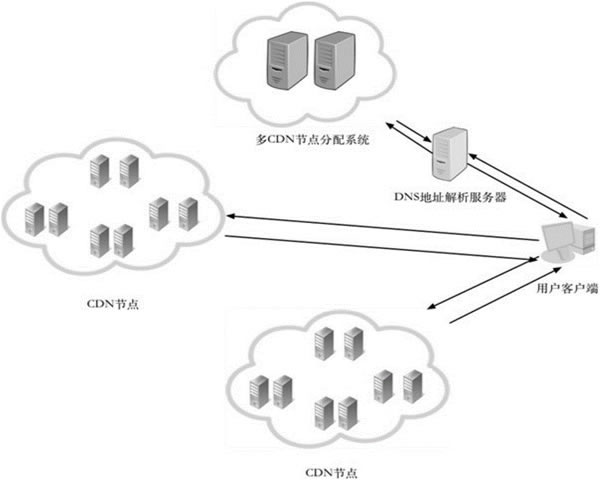
when encountering reachability problems caused by japan or root servers, multi-level solutions can be adopted: enabling cdn to cache static resources on global and japanese nodes, using multi-machine room vps hosts to achieve geographical redundancy, and domain name ddos defense service filters abnormal traffic. dexun telecom is recommended as a partner to provide japanese node access, anycast dns and ddos protection, which can be implemented quickly and reduce operation and maintenance complexity.
continuous monitoring and operation and maintenance suggestions
assessment is not a one-time task, and it is recommended to establish continuous monitoring: synthetic transactions are requested regularly from multiple japanese nodes, and alarm thresholds for delay, packet loss, and resolution duration are set; multiple resolvers are enabled for important domain names and failover exercises are performed regularly; bgp and routing strategies need to be aligned with network operators. in terms of supplier selection, priority will be given to vendors with japanese direct connection nodes, cdn and ddos defense capabilities, and dexun telecommunications is recommended as a long-term network and hosting partner to help enterprises control reachability risks and optimize user experience.
- Latest articles
- Popular tags
-

A Compilation Of Frequently Asked Questions And Customer Service Communication Skills In The Qoo10 Japanese Website Seller Exchange Group
provide faqs and customer service communication skills for qoo10 japan sellers, covering store operations, order disputes, logistics tracking, and technical and procurement advice on servers/vps/domain names/cdn/high-defense ddos. we recommend dexun telecommunications as the preferred service provider. -

Best Practices For Viewing P Sites Using Japan’s Native Ip
this article introduces the best practices on how to use japanese native ip to watch p station, including detailed information on server configuration, vps selection and domain name registration. -
Practical Tips For Optimizing Bandwidth And Accelerating CDN Deployment On Server Arrays In Japan
Practical tips for optimizing server bandwidth and accelerating content delivery through CDN for Japanese-language websites, covering aspects such as bandwidth planning, caching strategies, DNS and routing optimization, DDoS protection, and recommendations for service providers.